
Affordable Housing in Top Indian Cities: Opportunities and Challenges in 2025
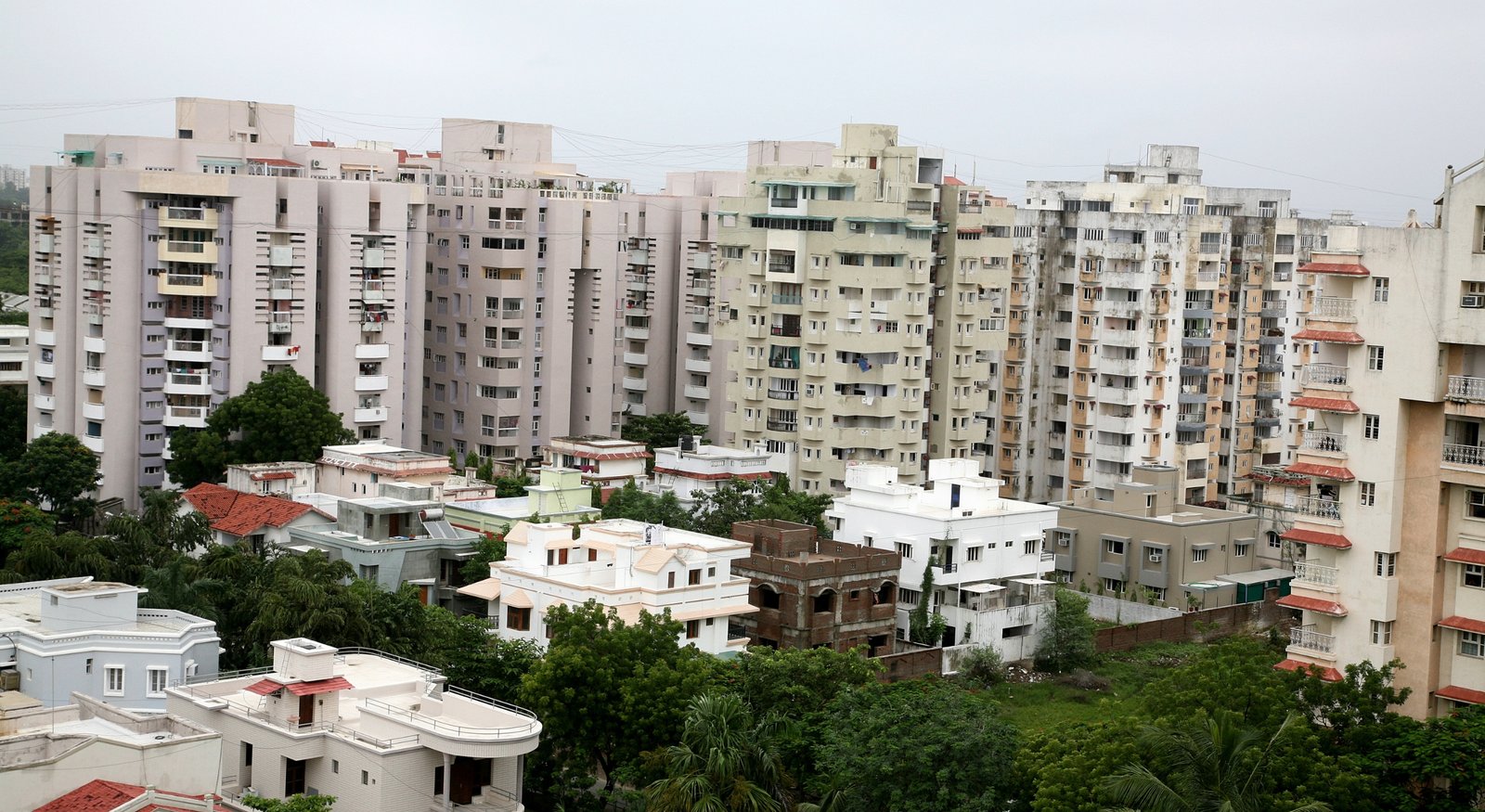
Table of Contents
Affordable Housing India 2025
Affordable Housing India 2025 has emerged as a critical priority for India’s urban development in 2025. As migration to cities accelerates and middle-income populations expand, the demand for budget-friendly yet quality homes is surging. However, despite government schemes and rising awareness, the affordable housing sector faces considerable supply-side challenges that threaten to widen the gap between housing demand and availability.
This blog explores the current landscape of affordable housing in India’s major cities, identifies the key opportunities and persistent obstacles, and outlines what buyers and investors need to know for 2025.
The Growing Demand for Affordable Housing (Affordable Housing India 2025)
India’s urban affordable housing deficit is estimated at over 9 million units today and is projected to increase to nearly 30 million by 2030, driven primarily by rapid urbanization and rising populations in Economically Weaker Sections (EWS), Low Income Groups (LIG), and Middle Income Groups (MIG). Cities like Mumbai, Delhi NCR, Bengaluru, Hyderabad, Pune, Chennai, Kolkata, and Ahmedabad are at the forefront of this demand surge.
Several factors intensify this demand:
- Faster migration of working populations and nuclear families into cities
- Rising awareness about home ownership benefits
- Government subsidies under schemes like Pradhan Mantri Awas Yojana (PMAY)
- Increasing credit access and improved loan affordability
Supply-Side Constraints and Challenges (Affordable Housing India 2025)
Despite strong demand, affordable housing supply has struggled in recent years, significantly lagging behind needs:
- High Land and Construction Costs: Urban land prices and construction expenses have escalated due to regulatory burdens and inflation, making affordable projects financially challenging.
- Limited Private Sector Participation: Developers are often hesitant to invest in affordable housing due to narrow profit margins and complex approval processes.
- Infrastructure and Amenities Deficit: Affordable housing locations often lack essential infrastructure such as good roads, schools, healthcare, and public transport access, reducing their livability.
- Policy and Regulatory Delays: Lengthy approvals and lack of streamlined building regulations introduce project delays and cost overruns.
- Quality Concerns: Many budget housing projects fall short in construction quality and unit sizes, leading to buyer dissatisfaction.
Opportunities in Affordable Housing (Affordable Housing India 2025)
Despite challenges, several emerging trends offer hope and opportunities for stakeholders:
- Emergence of Tier-2 and Tier-3 Cities: Rising incomes and industrial growth are driving affordable housing projects in cities like Pune, Indore, Surat, Lucknow, and Coimbatore.
- Public-Private Partnerships and Innovative Financing: Increased government focus on enabling private investment through incentives, subsidies, and better financing models can accelerate supply.
- Growing Interest in Smart and Sustainable Affordable Homes: Demand is shifting towards homes with energy-efficient designs, water conservation features, and improved amenities even at budget price points.
- Healthy Rental Market: Affordable rental housing complexes and co-living spaces are becoming attractive investment options.
- Technology Adoption: Use of modular construction and prefab technology is reducing costs and construction timelines.
What Buyers and Investors Should Know in 2025 (Affordable Housing India 2025)
- Conduct thorough due diligence on project reputation and delivery timelines.
- Prioritize locations with improving infrastructure and public transport connectivity.
- Assess unit quality, amenities, and builder transparency before purchase.
- Understand government subsidy eligibility and loan schemes for affordable housing.
- Consider rental yields and resale potential if purchasing as an investment.
Conclusion: Balancing Demand and Supply for Inclusive Growth
Affordable housing is vital for India’s urban future and economic inclusiveness. While supply-side challenges remain, policy reforms, technological adoption, and growing investor confidence indicate an improving outlook. Buyers and investors who can navigate this complex landscape with careful research and strategy stand to benefit from the sector’s long-term potential.
FAQ:
1. What is the current affordable housing deficit in India?
India faces a deficit of over 9 million affordable homes, expected to rise to nearly 30 million by 2030.
2. What are the major supply-side constraints?
High land costs, regulatory delays, limited private sector involvement, and infrastructure gaps.
3. Which cities are the major hubs of affordable housing demand?
Mumbai, Bengaluru, Delhi NCR, Hyderabad, Pune, Chennai, Kolkata, and Ahmedabad.
4. What opportunities exist for affordable housing in 2025?
Growth in Tier-2/3 cities, technological innovation, better financing, and smart affordable homes.
5. How can buyers ensure quality and value in affordable homes?
Check project credentials, location benefits, builder transparency, and government subsidy options.
References
2. EY India, “Insight into the Present and Future of Indian Affordable Housing,” June 2025.
3. Indian Express, “Affordable housing shrinks, luxury booms, prices surge,” August 2025.