
Smart Home Technology and Its Impact on Real Estate Value in 2025
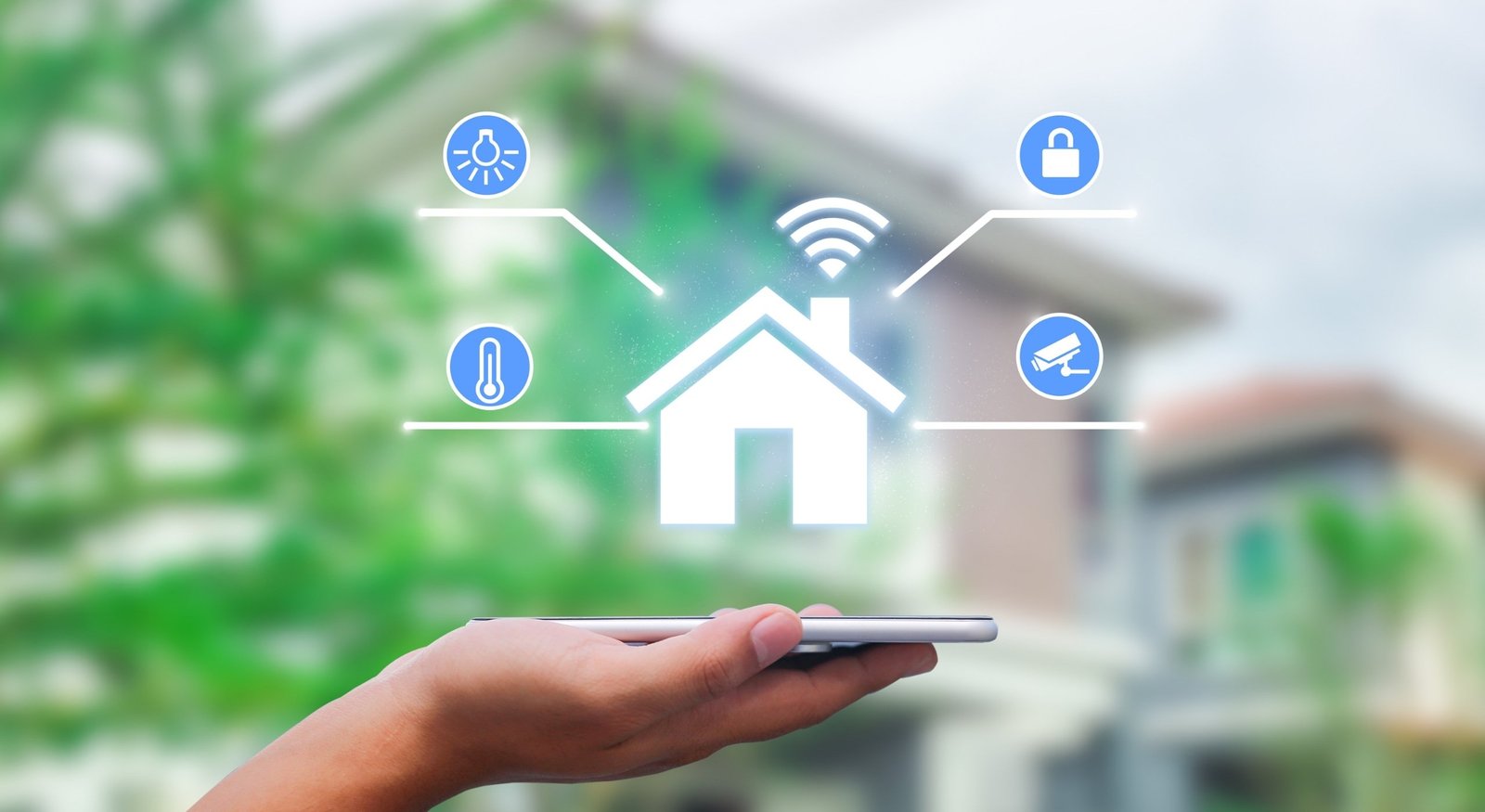
Table of Contents
Smart Home Technology and Its Impact on Real Estate Value in 2025
The real estate market is undergoing a rapid transformation driven by advancements in smart home technology. What was once considered a luxury feature has now become a mainstream expectation for modern homebuyers and investors. In 2025, smart homes—equipped with integrated, AI-powered systems—are not only enhancing convenience and security but also significantly boosting property values and market appeal.
This blog delves into the key smart home trends shaping real estate in 2025, how these technologies influence home prices and buyer preferences, and why investing in smart-enabled properties is becoming a savvy choice.
What is a Smart Home?
A smart home integrates interconnected devices and systems controlled remotely via smartphones or voice assistants. These features include automated lighting, climate control, security systems, energy monitoring, and more. Through the Internet of Things (IoT), these devices communicate to optimize efficiency, comfort, and security.
In 2025, smart homes have evolved to include:
- AI-enhanced security with facial recognition and motion sensors.
- Voice-controlled automation via platforms like Amazon Alexa, Google Assistant, and Apple HomeKit.
- Energy management dashboards optimizing electricity and water use.
- Wellness-focused lighting and climate control for healthier living environments.
How Smart Home Technology Increases Property Values
Research shows that smart-enabled properties tend to:
- Sell faster: Homes with smart features attract more buyer interest and spend less time on the market.
- Command higher prices: Properties equipped with advanced technology can achieve premium valuations—up to 5-10% more than similar non-smart homes.
- Offer better resale potential: As technology becomes standard, smart homes maintain appeal longer and can command better rental yields as well.
Key value drivers include:
- Enhanced Security: AI-driven smart security systems provide continuous surveillance, instant alerts, and remote monitoring. Buyers prioritize safety, boosting confidence and willingness to pay more.
- Energy Efficiency: Smart thermostats, lighting controls, and appliance management reduce utility bills while supporting sustainable living—an increasingly important factor among environmentally conscious buyers.
- Convenience and Lifestyle: Voice-controlled assistants and automation simplify daily routines, making homes more attractive to tech-savvy millennials and professionals.
- Maintenance and Predictive Alerts: AI can predict appliance failures or required maintenance, helping prevent costly damages and improving homeowner satisfaction.
Smart Home Trends to Watch in 2025
- AI-Powered Personalization: Smart systems learn user behaviors to automate tasks before being requested.
- Integrated Wellness Features: Sensors that monitor air quality, humidity, and lighting to promote healthier living.
- Interconnected Community Amenities: Smart security gates, app-controlled maintenance, and digitally connected neighborhoods.
- Modular Smart Devices: Plug-and-play gadgets that allow customization and upgrades without expensive retrofitting.
- Affordable Smart Solutions: Wider adoption driven by falling costs and government incentives.
These trends are increasingly influencing homebuyers’ preferences, especially in urban and suburban markets.
Why Investors and Homebuyers Should Prioritize Smart Homes
- Competitive Advantage: Listings with smart features attract more inquiries and offers.
- Future-Proofing: Investing in smart-enabled properties reduces the need for costly post-purchase upgrades.
- Sustainability: Energy-efficient homes align with green building norms and government regulations.
- Rental and Resale Premiums: Smart homes often provide better rental yields and higher resale values, especially in tech-centric cities.
Conclusion: Smart Homes Defining Real Estate Value in 2025
As smart home technology becomes the new standard, it is revolutionizing real estate markets by merging technology, convenience, and sustainability. Buyers and investors who understand and embrace these trends in 2025 will enjoy enhanced property values, improved living experiences, and long-term returns.
Smart homes are no longer a luxury—they are a necessity in the modern real estate landscape.
FAQ:
1. What features define a smart home in 2025?
AI-powered security, voice-controlled automation, energy management, and wellness-focused systems.
2. How much can smart technology increase a property’s value?
Smart homes can command a premium of 5-10% compared to similar properties without technology.
3. Are smart homes more attractive to renters and buyers?
Yes, they tend to sell faster and attract better rental yields due to enhanced convenience and security.
4. What are the leading smart home trends for 2025?
AI personalization, wellness monitoring, smart communities, modular devices, and affordable solutions.
5. Why should investors consider smart homes in 2025?
They offer future-proofing, market differentiation, sustainability benefits, and improved returns.
References
1. “Smart Home Trends in Real Estate 2025.” Investors Clinic, July 31, 2025.
2. “Smart Home Technology and Its Impact on Property Values.” The PropTech Connection.
3. “How PropTech is Transforming Real Estate in 2025.” Lodha Group, June 24, 2025.
4. “Smart Homes in 2025: How Technology Is Reshaping Real Estate.” Galaxy Group, May 30, 2025.